
Hundreds of names, two languages: the 2026 NZIBES Gala Dinner
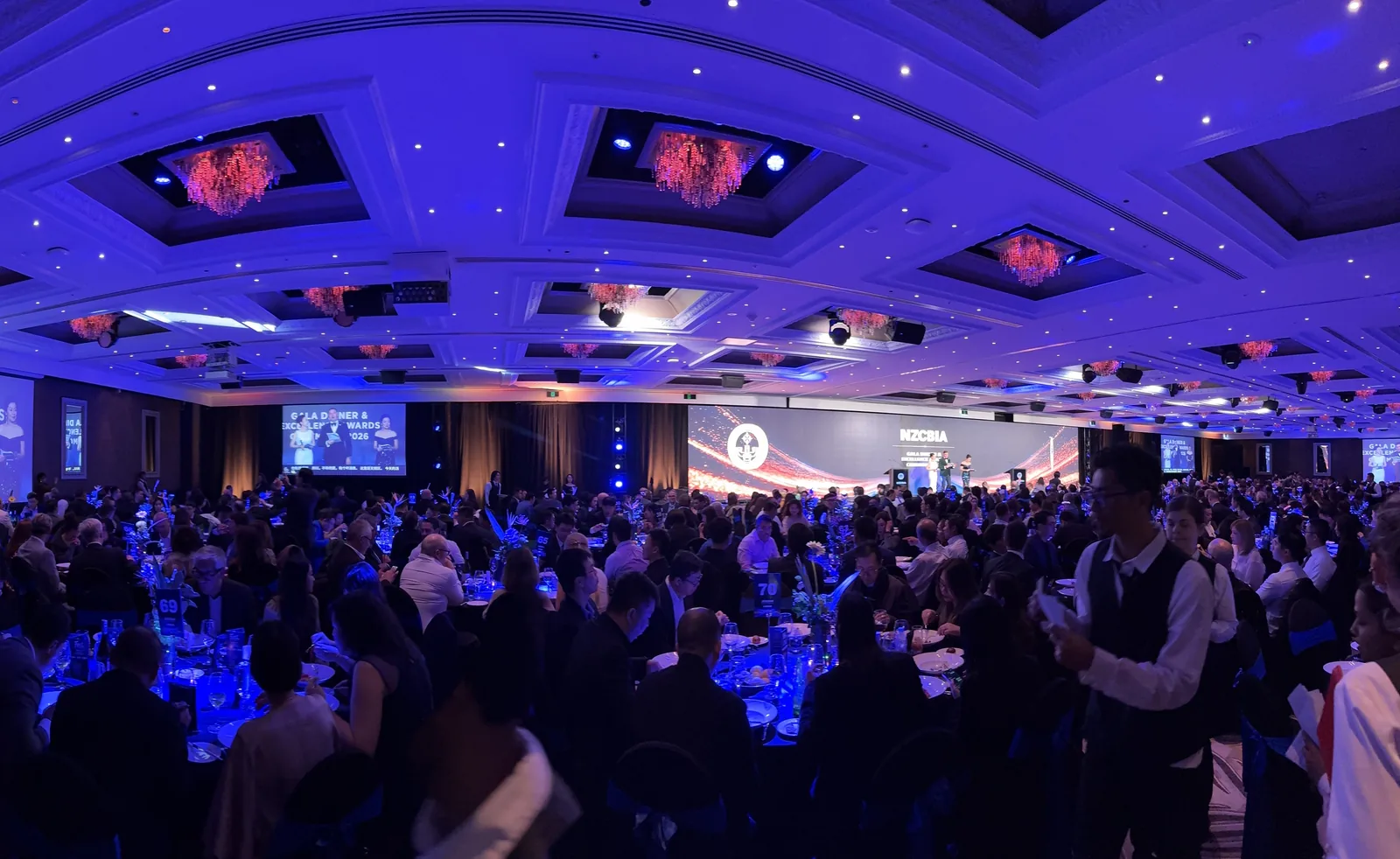
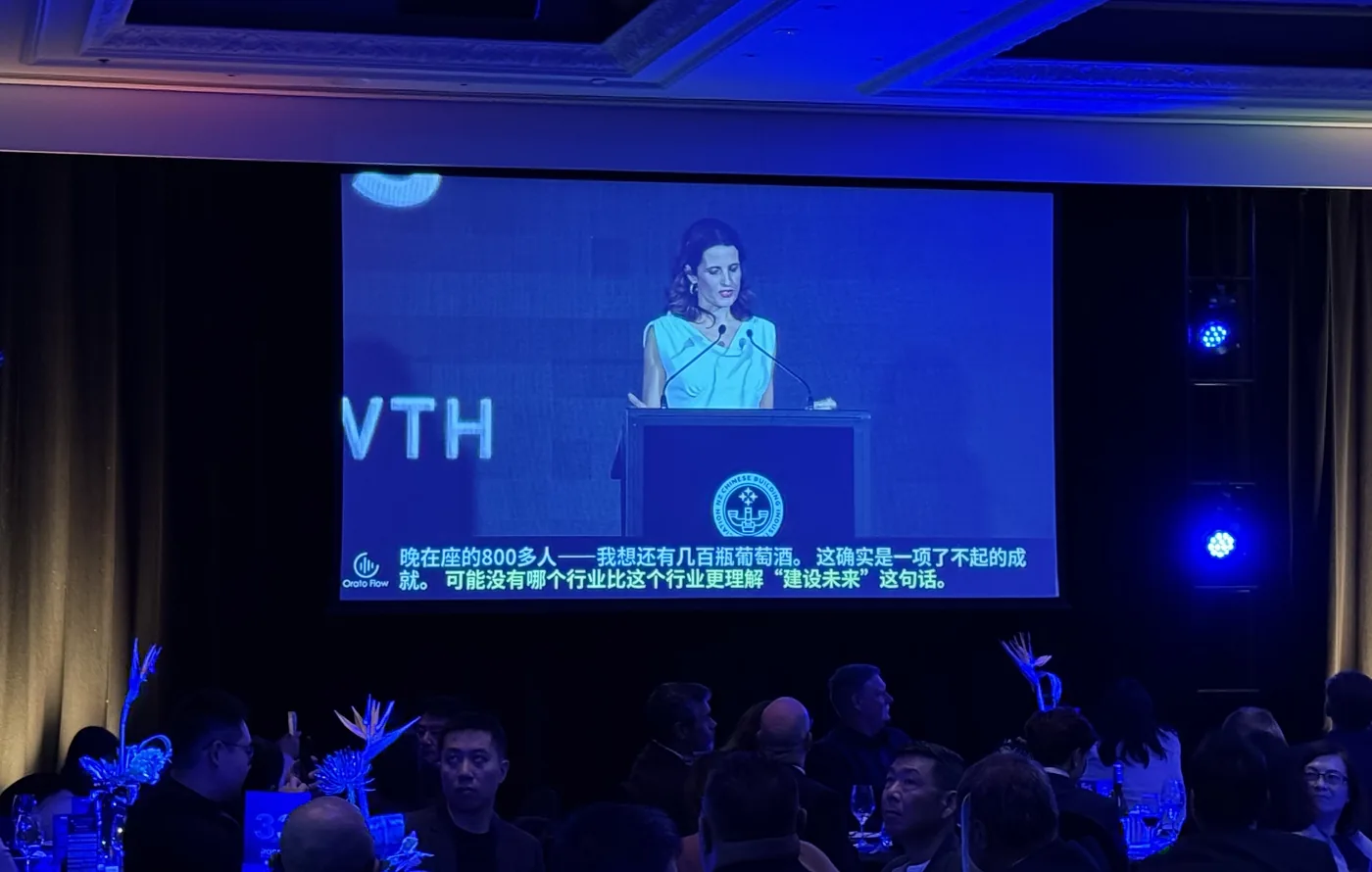
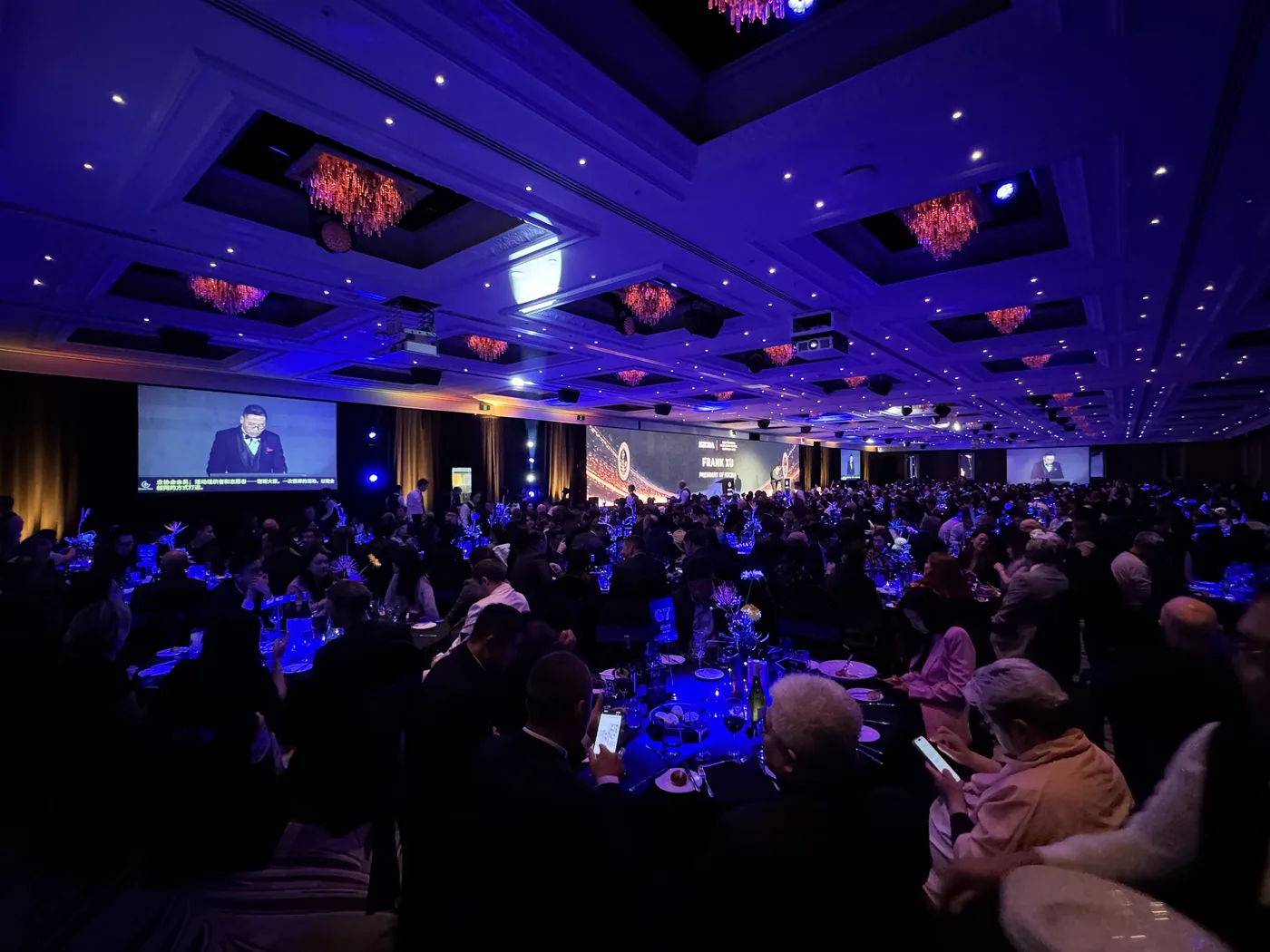
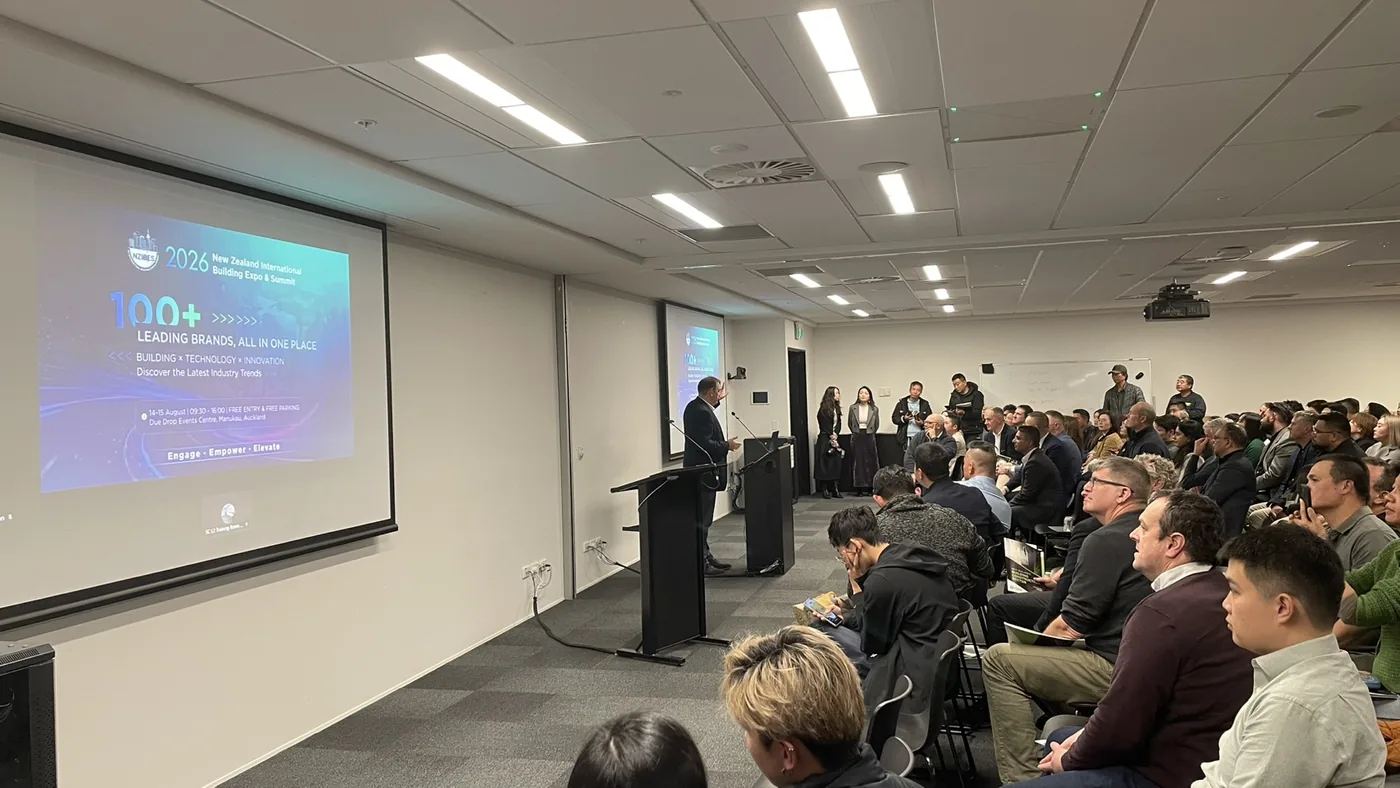
The 2026 NZIBES Gala Dinner and NZCBIA Excellence Awards filled the Great Room at Cordis Auckland — 850 guests, four hours of live programme, and the association’s eleventh year. Names are the hardest thing to translate live, and this night was made of them. Orato Flow ran the whole programme in English and Chinese on the room’s screens, start to finish — off one audio feed in and one video feed out of the AV the venue already had.
Cordis Auckland · August 2026
The challenge
Names. Award winners, scholarship recipients and judges — Chinese names and English names announced back to back all evening, and plenty that are both at once, switching language halfway through. Add project names in te reo, street addresses and construction terminology, and you have the exact material live translation stumbles on.
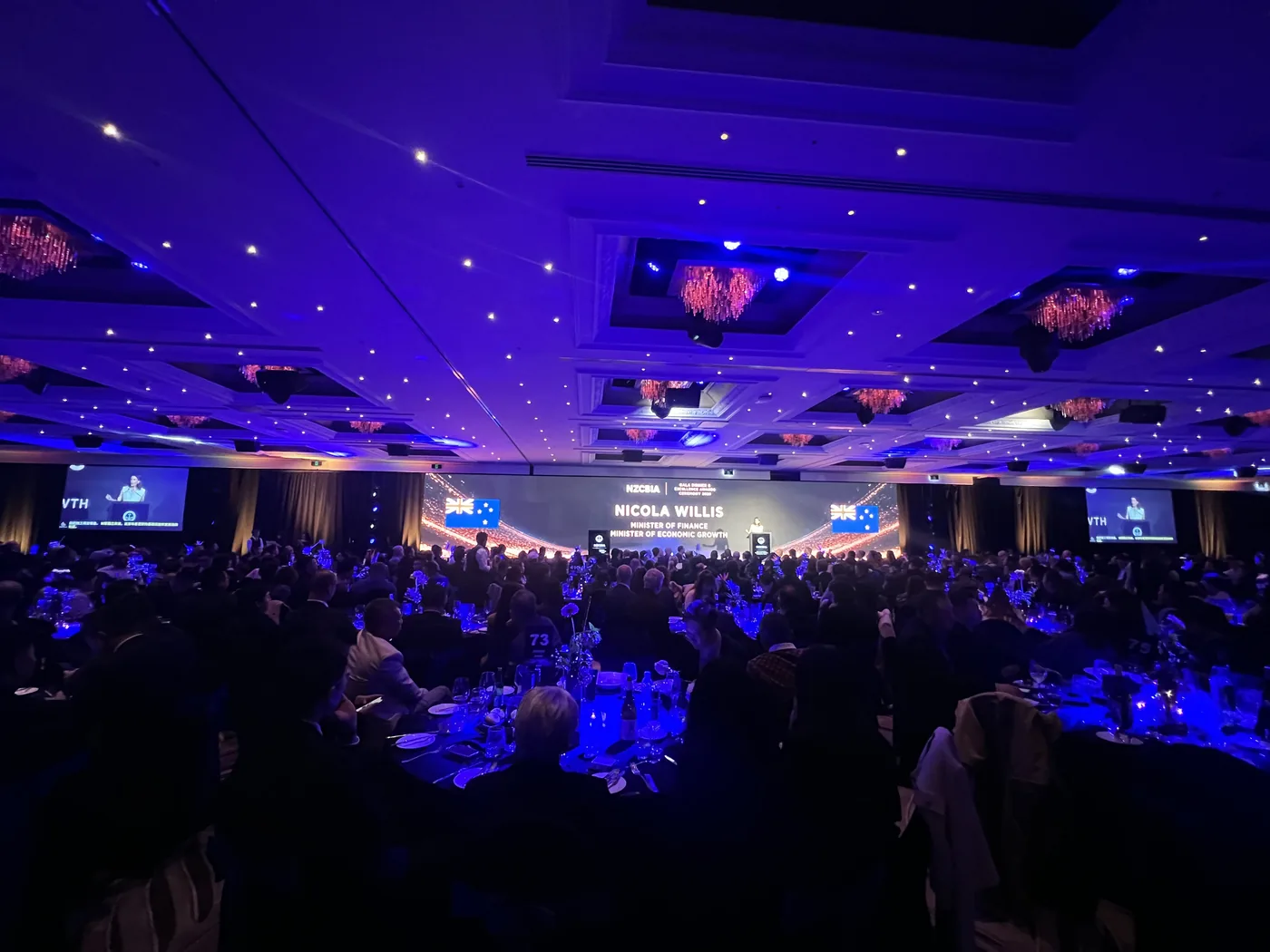
The rest of the programme was no easier. Four hours, no second take, and a stage that ran from Nicola Willis, Minister of Finance, and the Mayor of Auckland through two sponsor chief executives, an economist launching the association’s report on an industry it puts at around $92 billion a year, three MCs working across English and Chinese, and ten award categories. Almost none of it was scripted tightly enough to translate in advance.
How Orato Flow ran the night
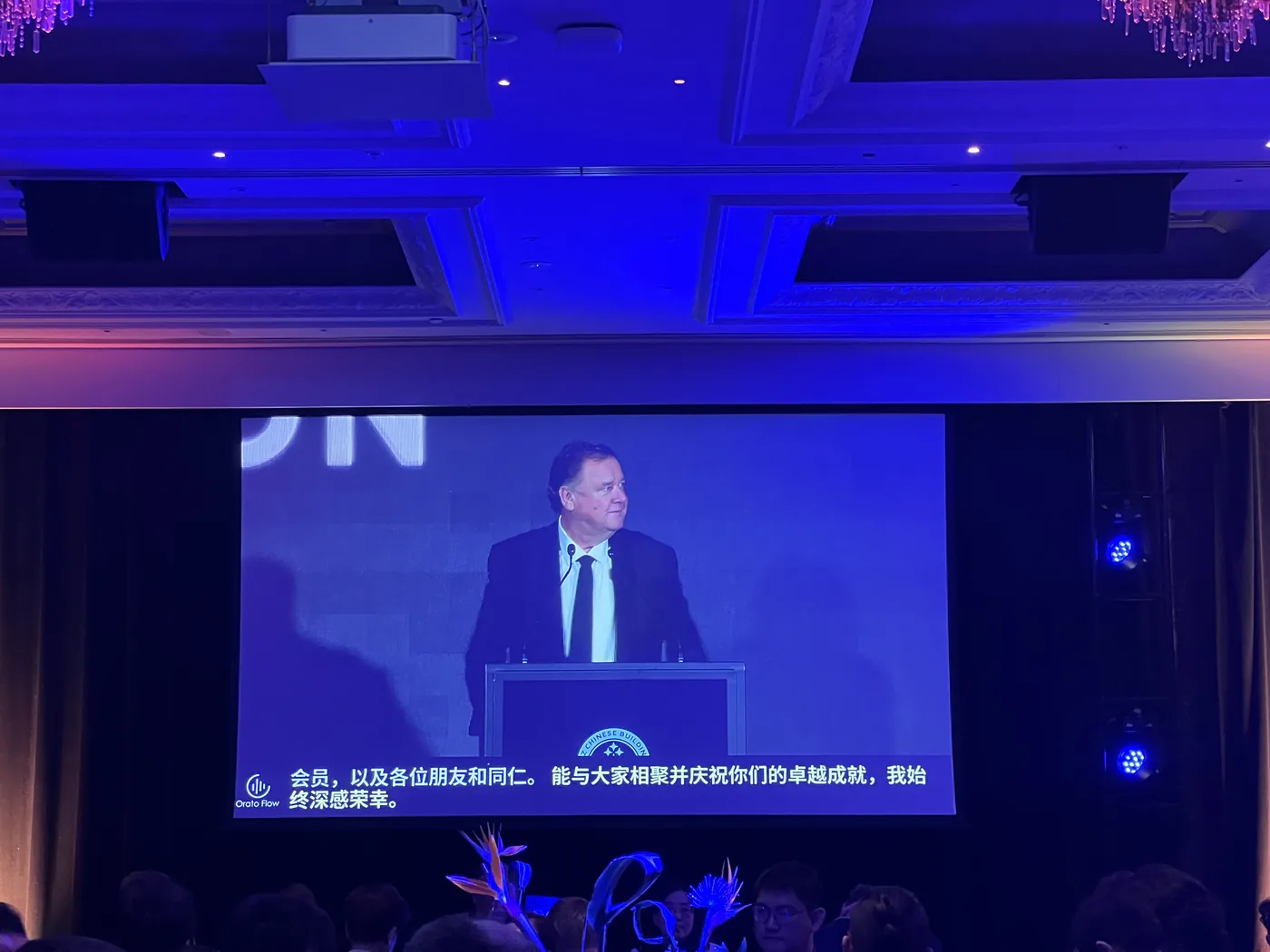
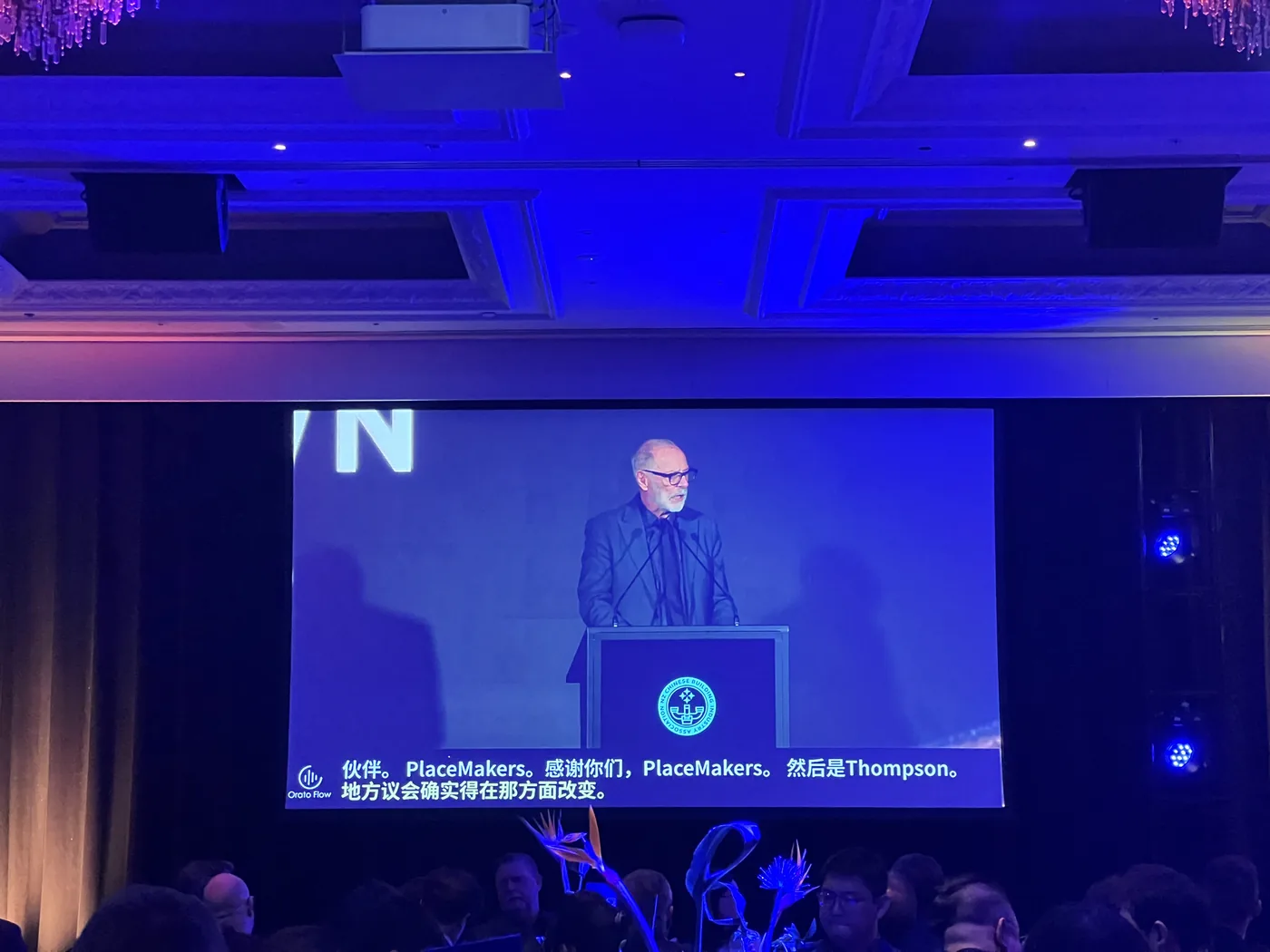
Orato Flow translated the programme live in both directions — English speakers rendered into Chinese, Chinese speakers into English — with the translation on the room’s screens, so every table could read it from where they sat.
The names were handled before the doors opened. Winners, sponsors, judges, scholarship recipients, companies and project names were loaded into a custom glossary from the runsheet, so they came out of the system the way the association writes them rather than the way a general model guesses.
Terms could be corrected or added mid-show whenever the stage went off script — and it did, all night: asides, jokes, and the Minister’s own headcount of the room.
One audio feed in, one video feed out
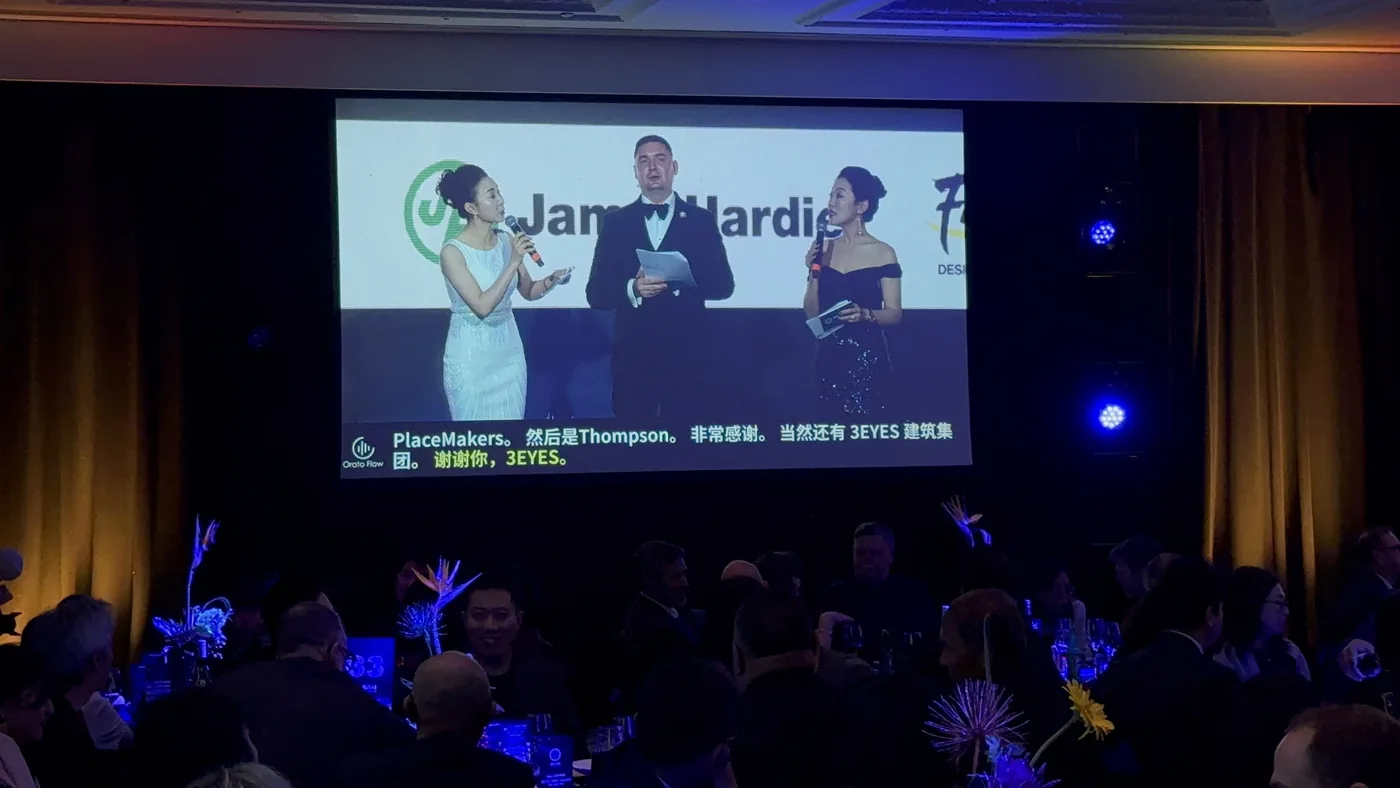
Orato Flow brings no AV of its own. It takes one audio feed in from the room’s existing desk and hands back one video feed out. That is the entire integration — two connections into whatever mixer, switcher and projection the venue already runs, with nothing to install and nothing for the audience to collect at the door.
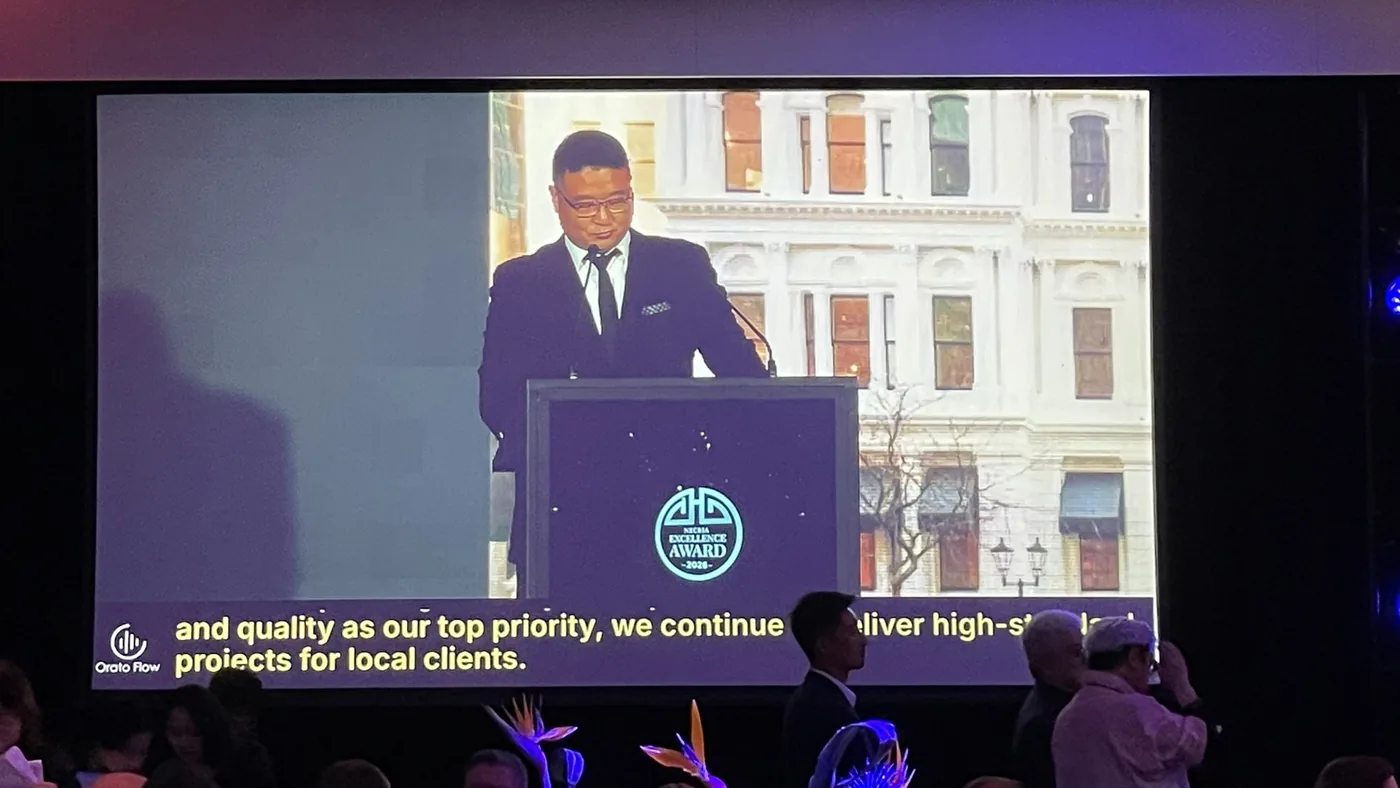
What comes back is the room’s own camera view with the live transcription overlaid along the bottom of the picture. Lines appear as someone speaks and clear when they stop, so the captions ride on the image the audience is already watching — no second screen, no change to how the room is shot, lit or projected, and nothing for the vision operator to re-cue between speakers.
For a venue or a production company, that is the whole ask: send audio, take back video. Nothing is installed on their system and nothing changes about their existing show build. Where there is no production to plug into at all, the same programme runs to attendees’ own phones instead — which is how the association ran its report launch three weeks earlier.
What it replaced
For 850 guests across two languages, the conventional answer is a set of interpreter booths, a headset for every guest to collect and return, and a roster of interpreters to cover four hours of programme. None of that was on the floor. The translation arrived on the screens the room already had.
Guests followed the whole evening in the language they read — the speeches, the report launch, all ten award categories and the scholarship ceremony. For the organisers, the practical result is that a bilingual gala no longer carries a hardware line in the budget.
Run your event in every language.
Tell us what you’re planning — the languages, the format, in-person or hybrid — and we’ll show you exactly how it would run on Orato Flow.