
English on stage, Chinese in every hand: launching the 2026 construction report
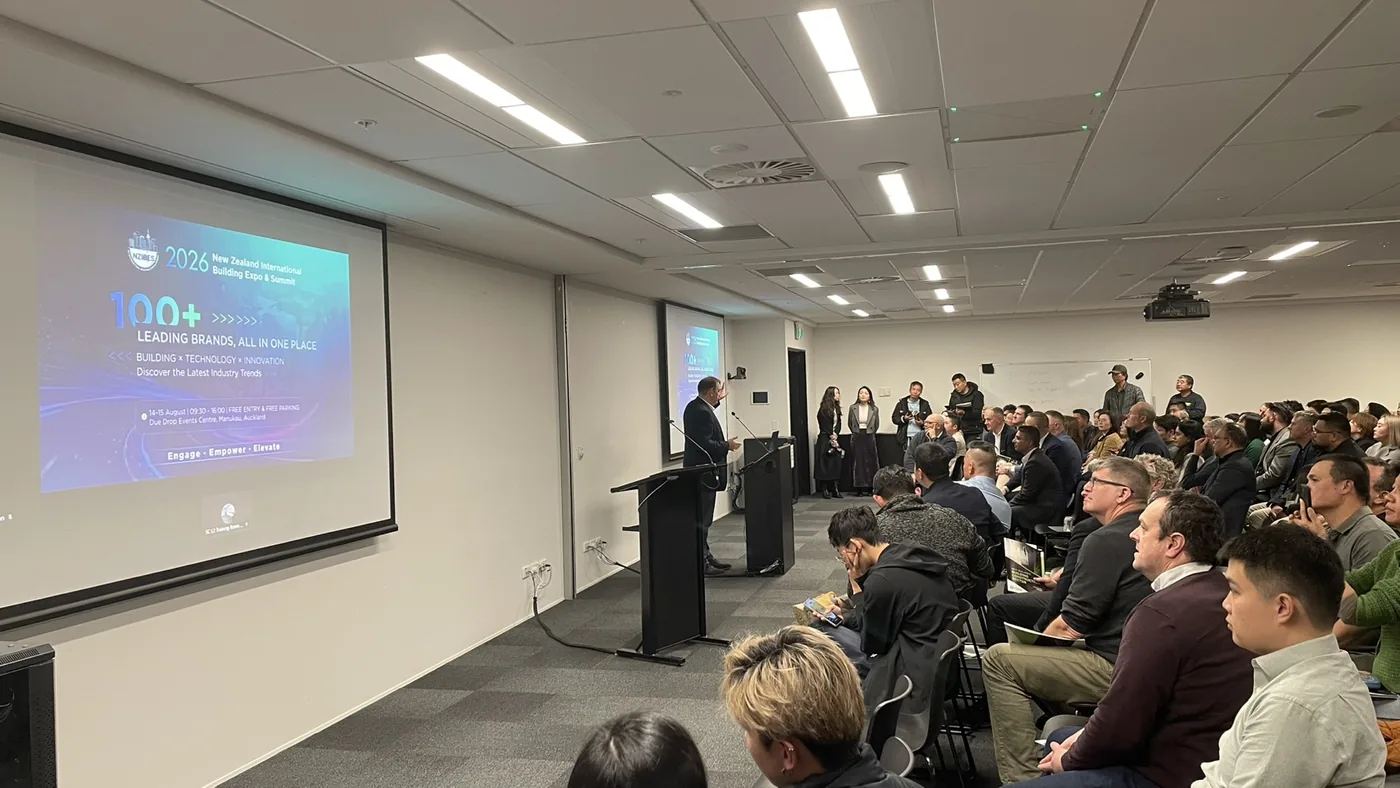
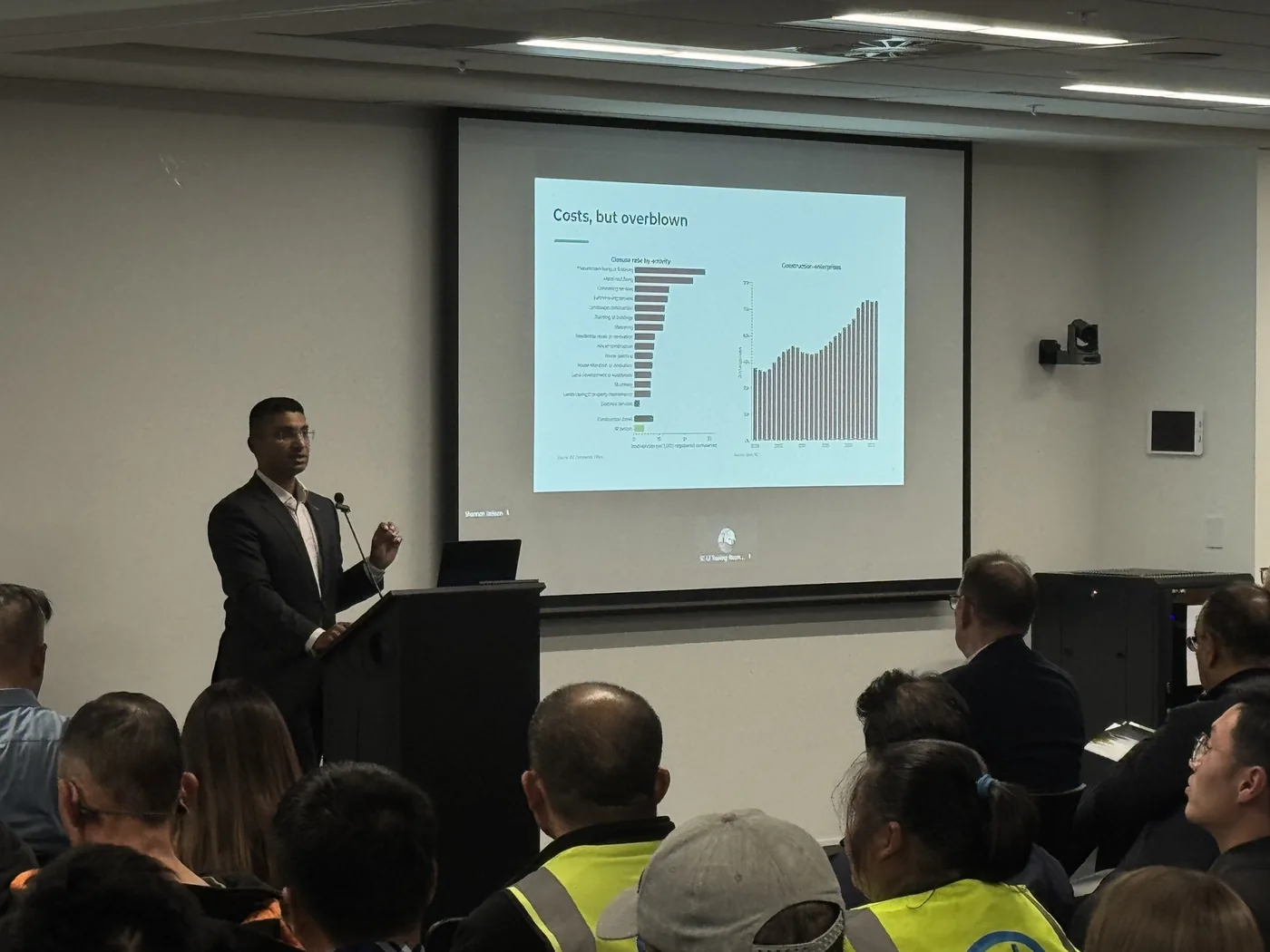
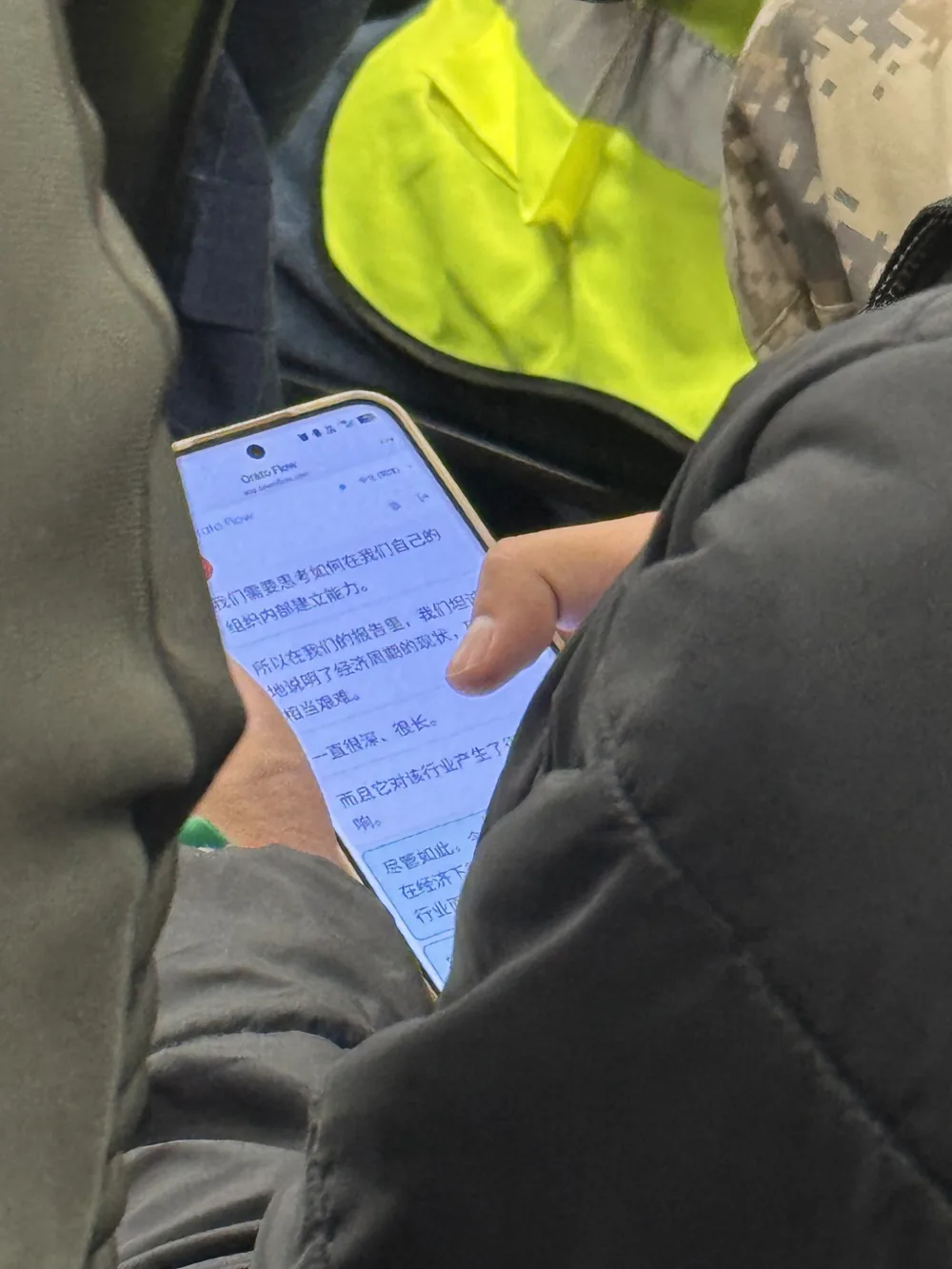
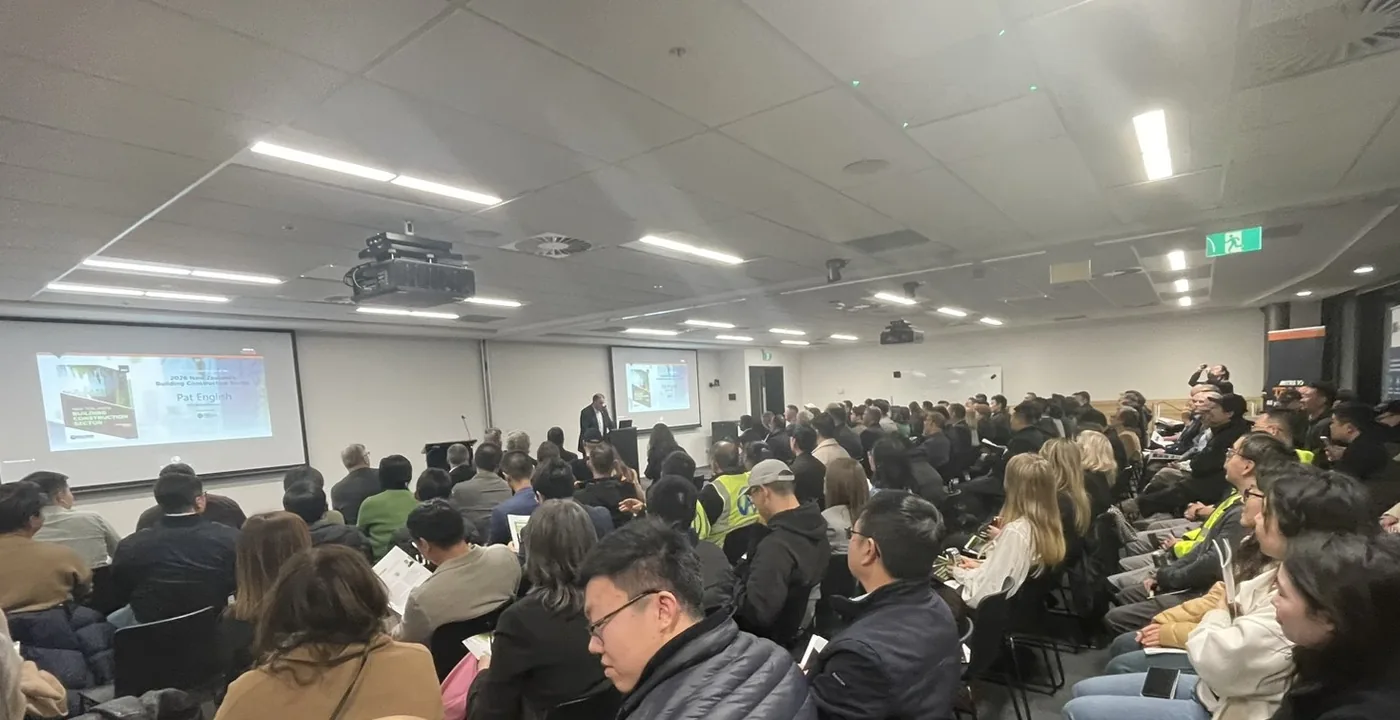
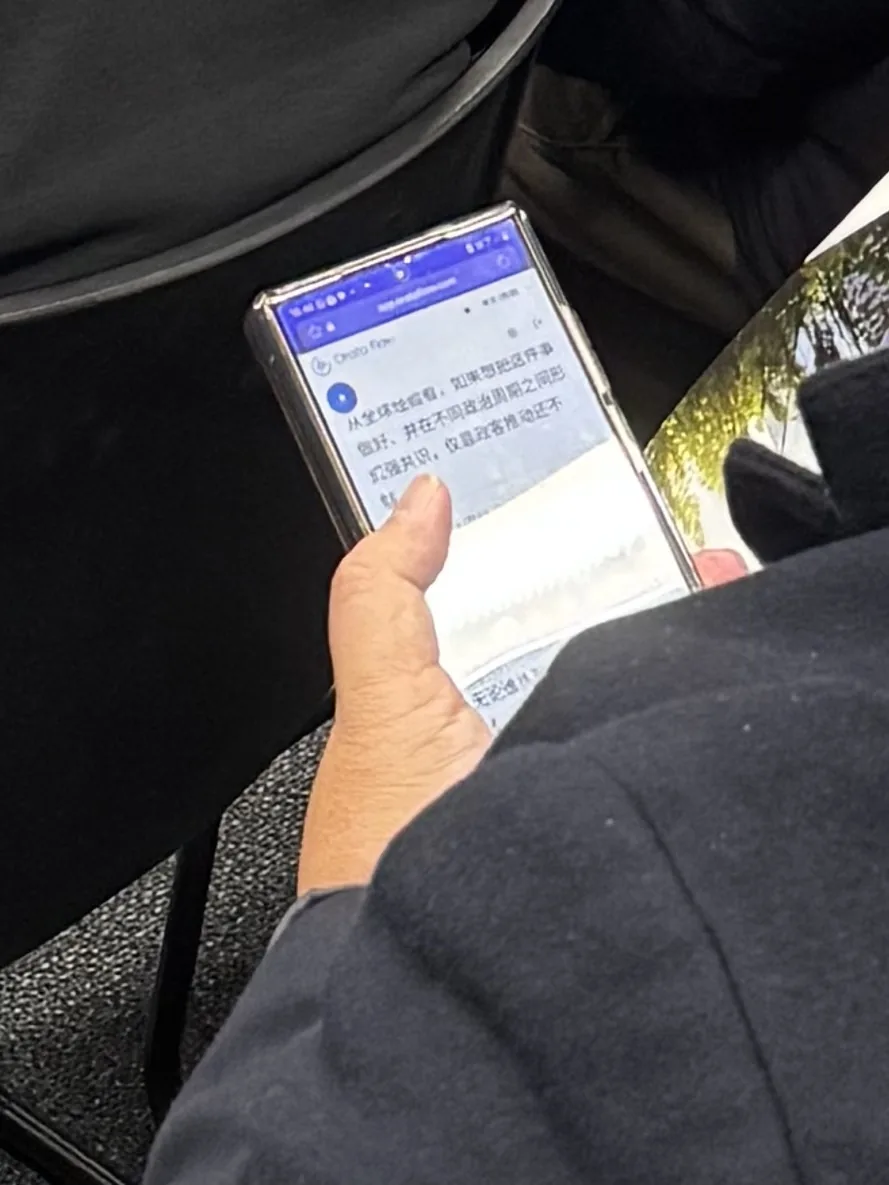
NZCBIA launched the third edition of its Building & Construction Report at Mitre 10’s Albany support centre, and more than 200 builders, suppliers and trade staff filled the room. The presentations ran in English. Attendees scanned a QR code and read the whole evening in Chinese, live, on their own phones — no app to install, and nothing added to the room.
Mitre 10 Albany Support Centre, Auckland · July 2026
The challenge
By the association’s own account, around half of Auckland’s new residential builds are delivered by New Zealand Chinese companies. A report written for that industry has an audience whose working language is often not the language it is presented in.
A report launch is also the hardest kind of talk to half-follow. It is dense with figures, charts, policy detail and the names of the organisations behind them — the parts people came for are exactly the parts that get lost when you are translating in your head while the next slide arrives.
How Orato Flow ran it
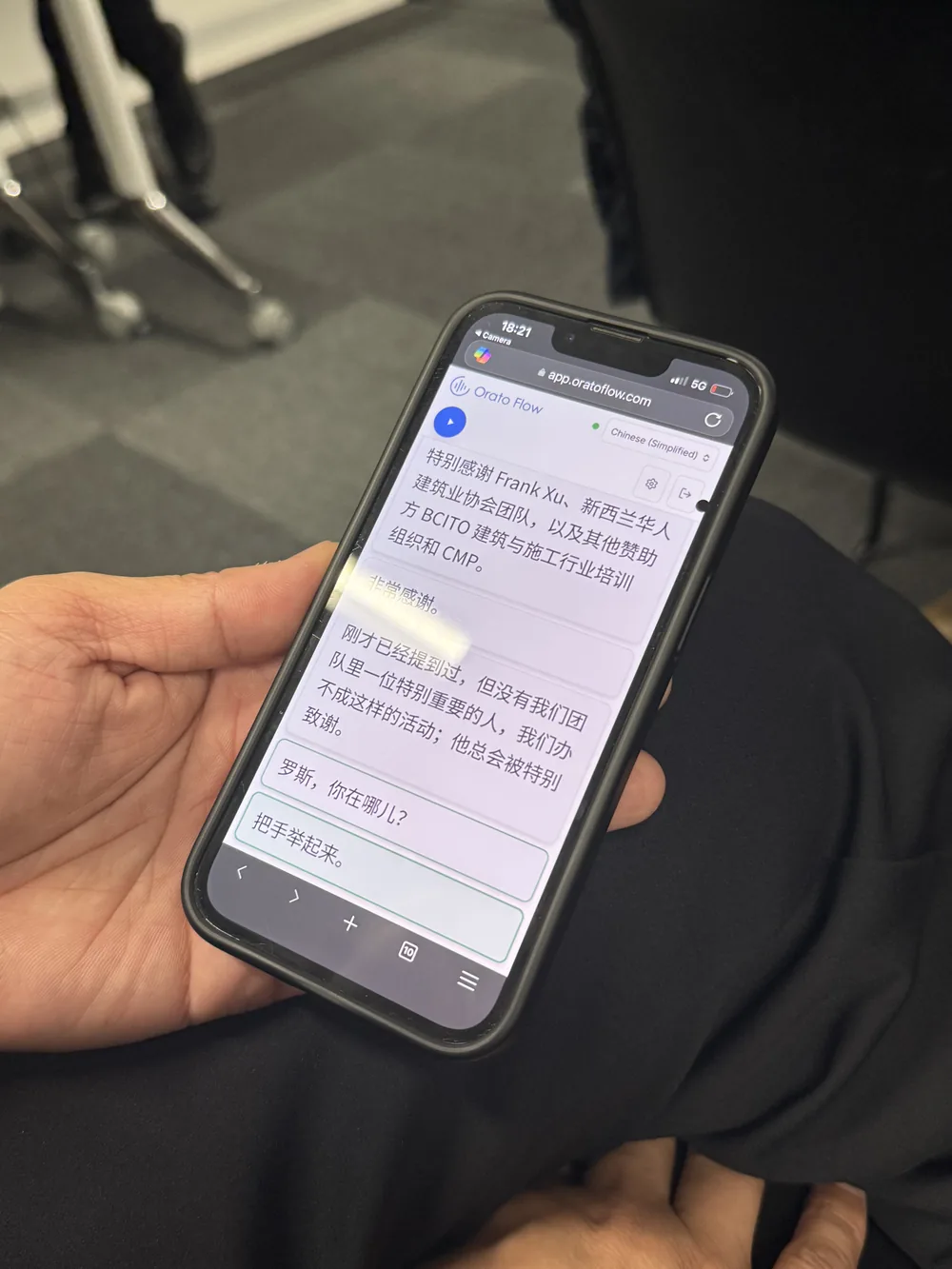
Attendees scanned a QR code, chose Chinese, and read the presentations live in a mobile browser. No app store, no download, no account, no hardware issued at the door — it ran on whatever phone each person already had in their pocket.
Industry vocabulary was loaded before the doors opened, so the training bodies, schemes and company names that run through a construction report stayed intact in the Chinese line rather than being guessed at. Attendees could scroll back through earlier lines at their own pace — useful when a chart has just gone past.
Nothing added to the room
This was a support-centre training room, not a production. There was no vision desk, no second screen and no AV crew — and none was needed. The presentation ran off the venue’s own projector exactly as it would have anyway, and the translation lived entirely on attendees’ phones.
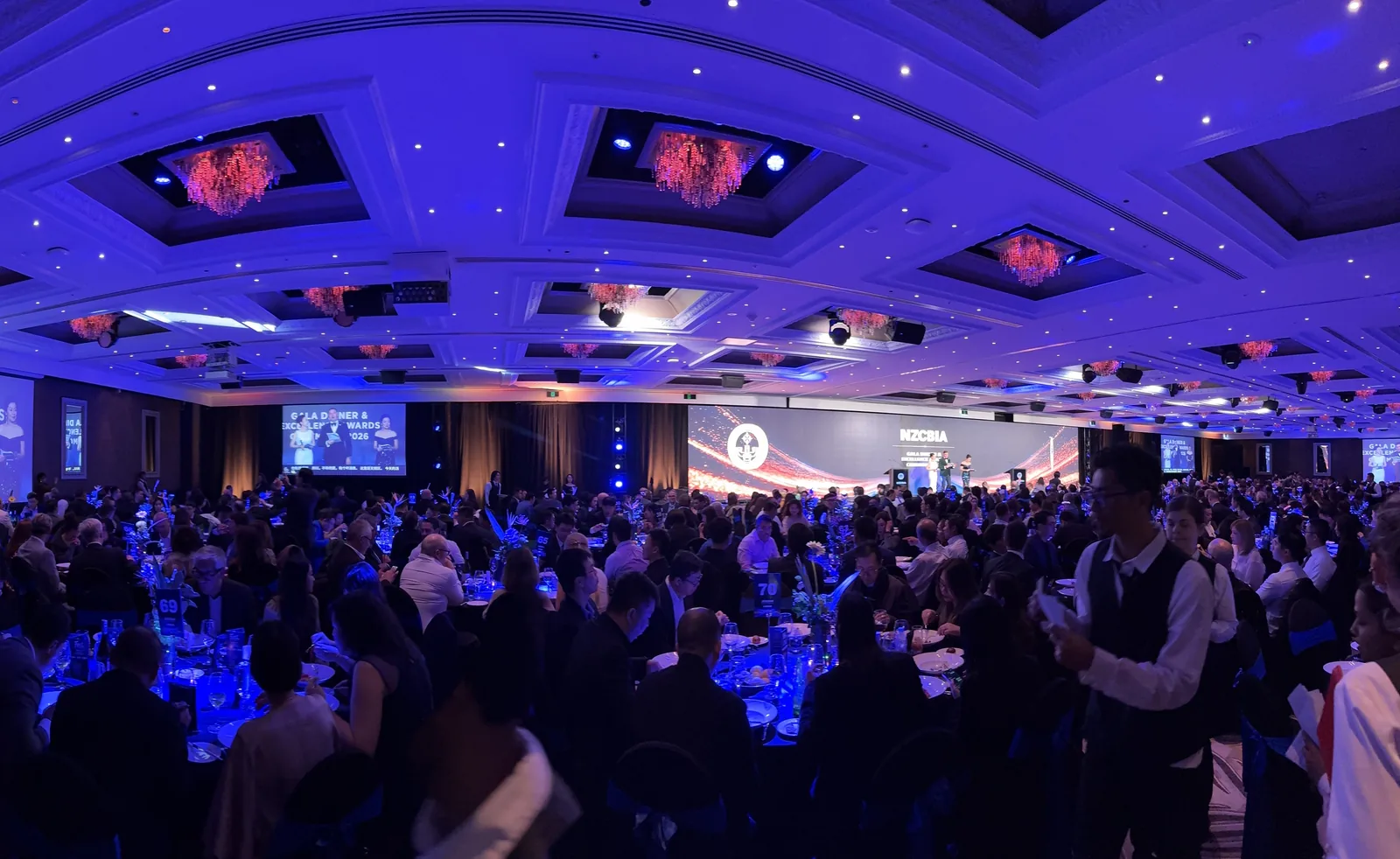
That is the practical difference between this and a booth-and-headset setup: the room did not have to change to become bilingual. Where a venue does have a production to plug into, the same programme can run onto the room’s screens instead — the association did precisely that at its 850-guest gala three weeks later.
What it replaced
For 200 people the conventional options are an interpreter working consecutively, which roughly doubles the length of the evening, or a headset run, which means hiring, distributing, collecting and counting receivers in a room with no cloakroom and no front-of-house staff.
Neither was necessary. The launch ran to its schedule in one language from the lectern, and every attendee who wanted the other one had it in their hand.
Run your event in every language.
Tell us what you’re planning — the languages, the format, in-person or hybrid — and we’ll show you exactly how it would run on Orato Flow.