Building across languages: property & construction
In property and construction, the people who need to understand each other are rarely in the same country — or the same language. Investors weigh a project from abroad; architects and engineers review drawings across borders; regulations and technical detail have to land precisely, in the moment. Two teams — My Land, presenting its New Zealand development Delmore to Chinese investors, and a cross-border engineering project delivered into Australia — used Orato Flow to run their sessions live across English and Chinese, with no interpreters and no special hardware.
New Zealand · Australia · China
The challenge
Construction is a cross-border business long before the first foundation is poured. Capital comes from overseas investors; design and engineering are split across firms and time zones; approvals, drawings and specifications are dense and unforgiving.
When a briefing or a design review happens in one language and half the room thinks in another, meaning gets lost exactly where it matters most — dimensions, materials, code and cost. And these are busy people: with a human interpreter working line by line, translation eats up most of the meeting and still flattens the very terms that have to be exact.
How Orato Flow helped
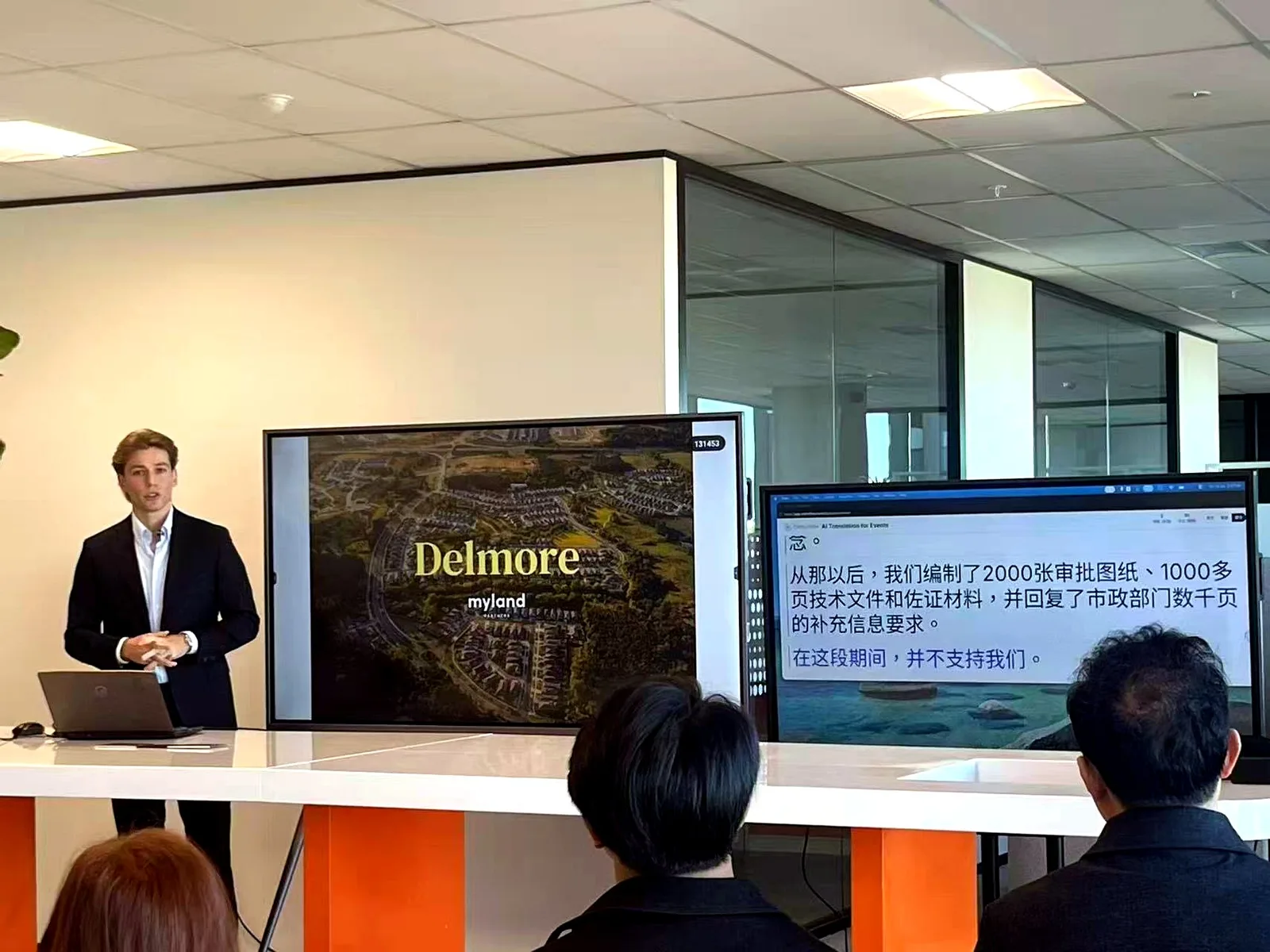
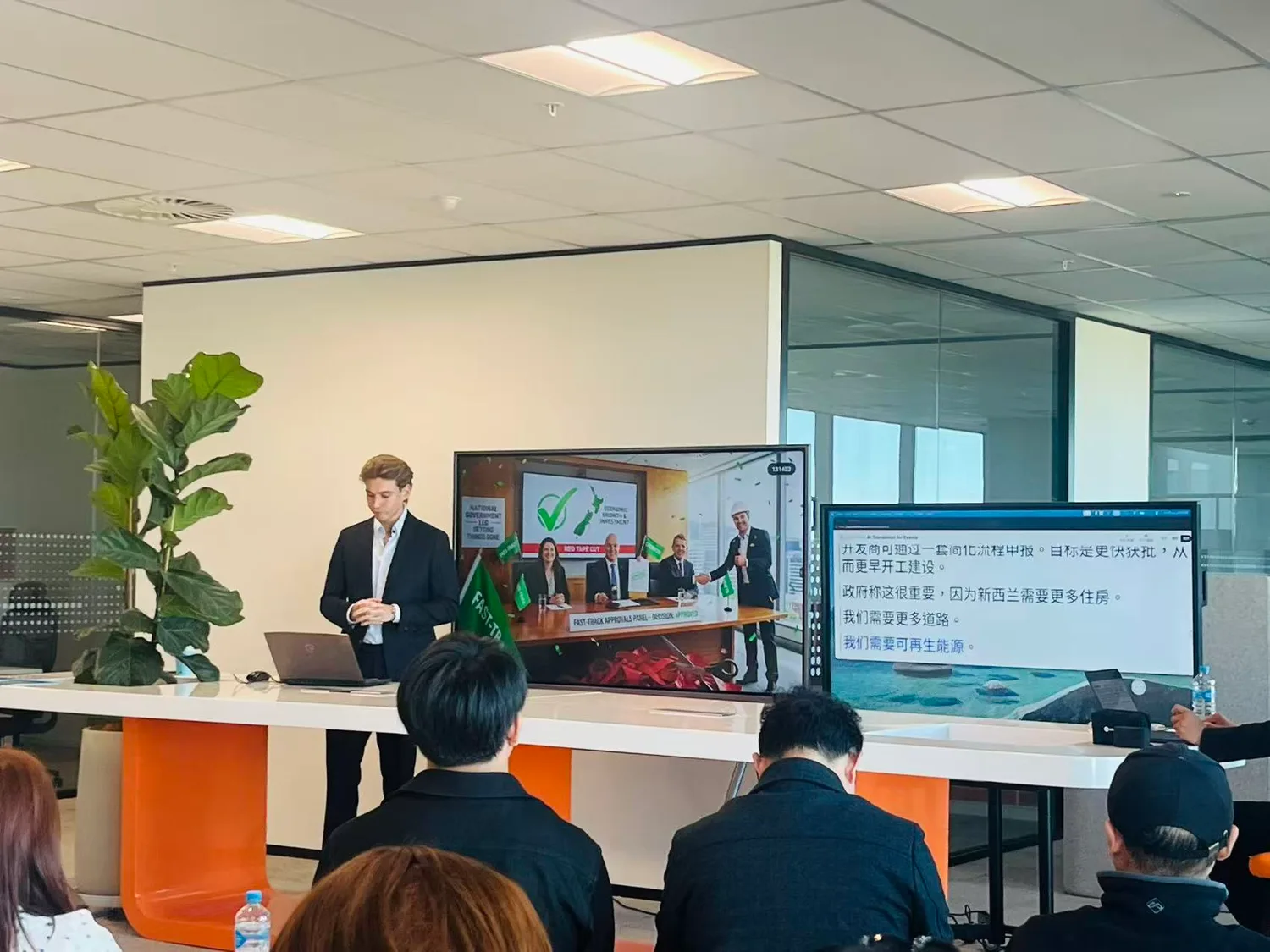
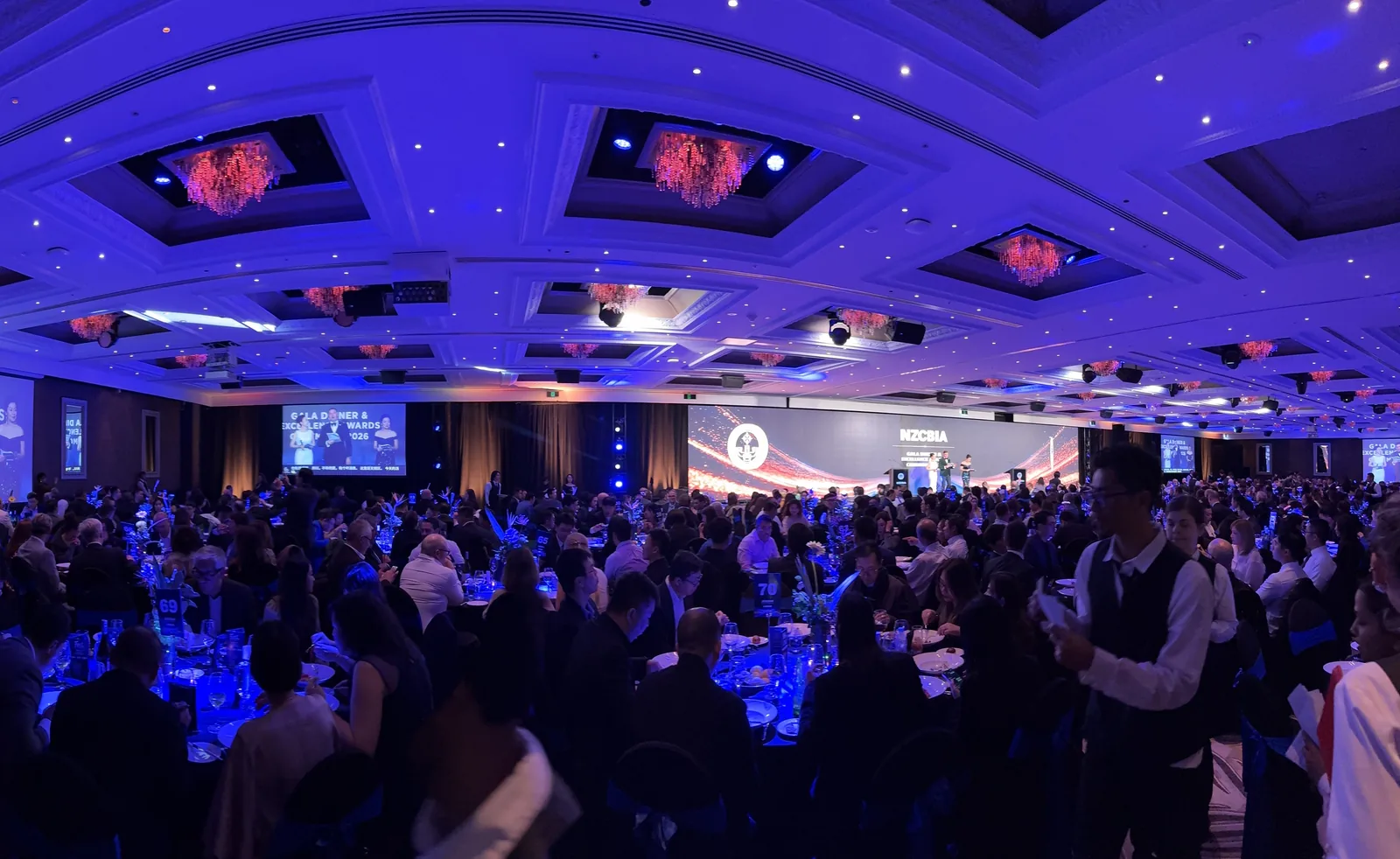
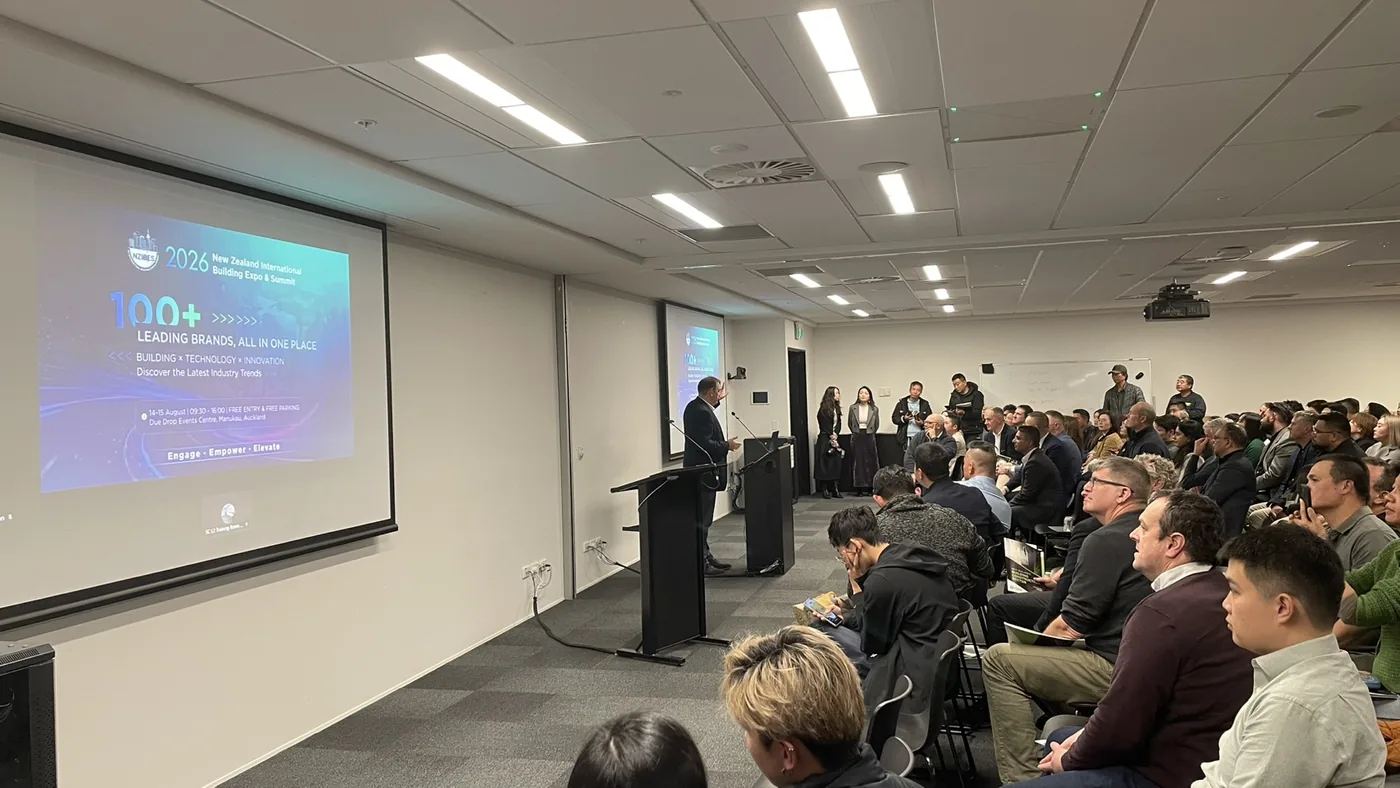
My Land set out to bring New Zealand’s property and infrastructure story — anchored by its Delmore development, the Fast-track Approvals process, and the country’s need for more housing, roads and renewable energy — to a Chinese-speaking audience. The presenter spoke in English, and Orato Flow carried every line to the room in the audience’s language, live, on the screen beside the speaker.
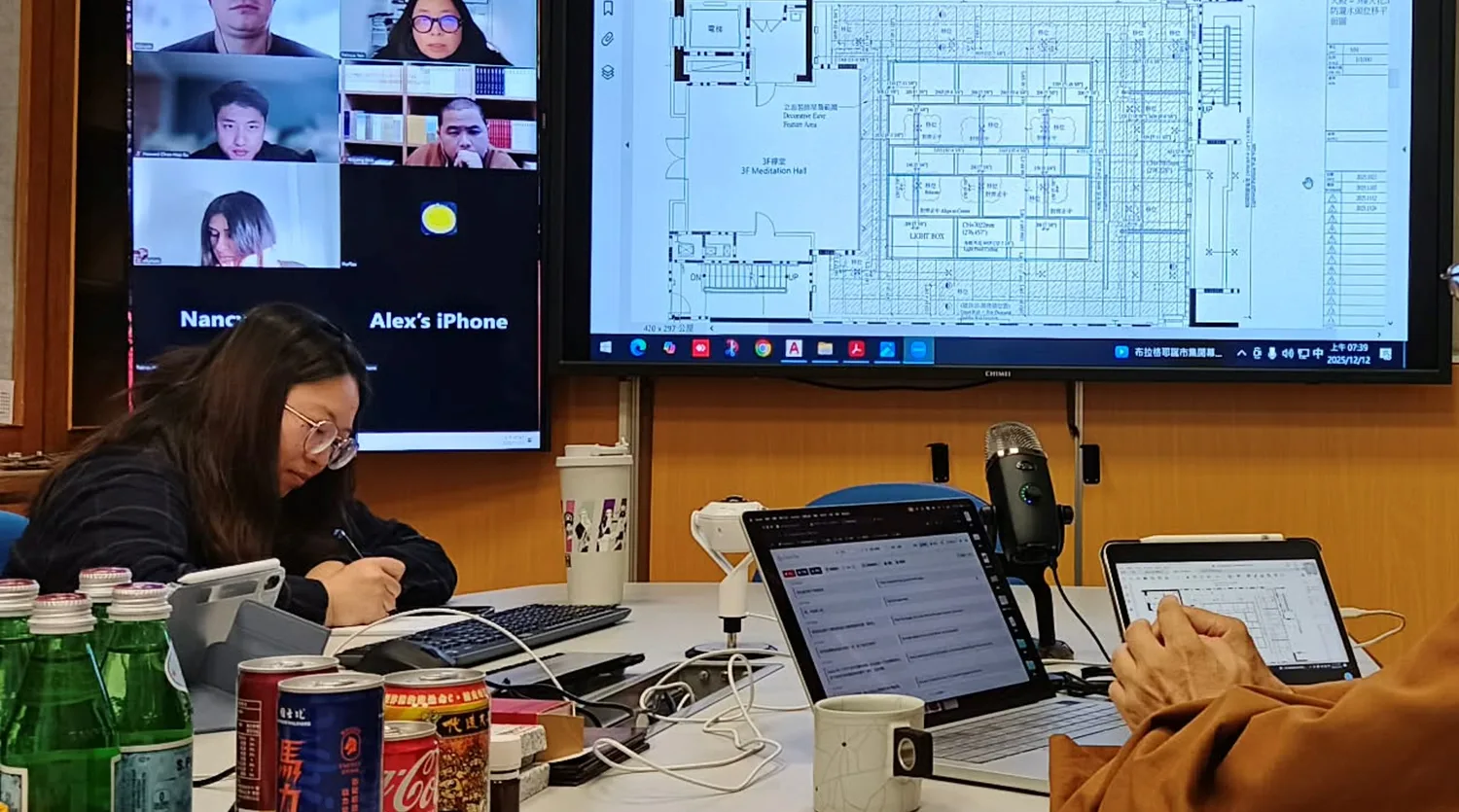
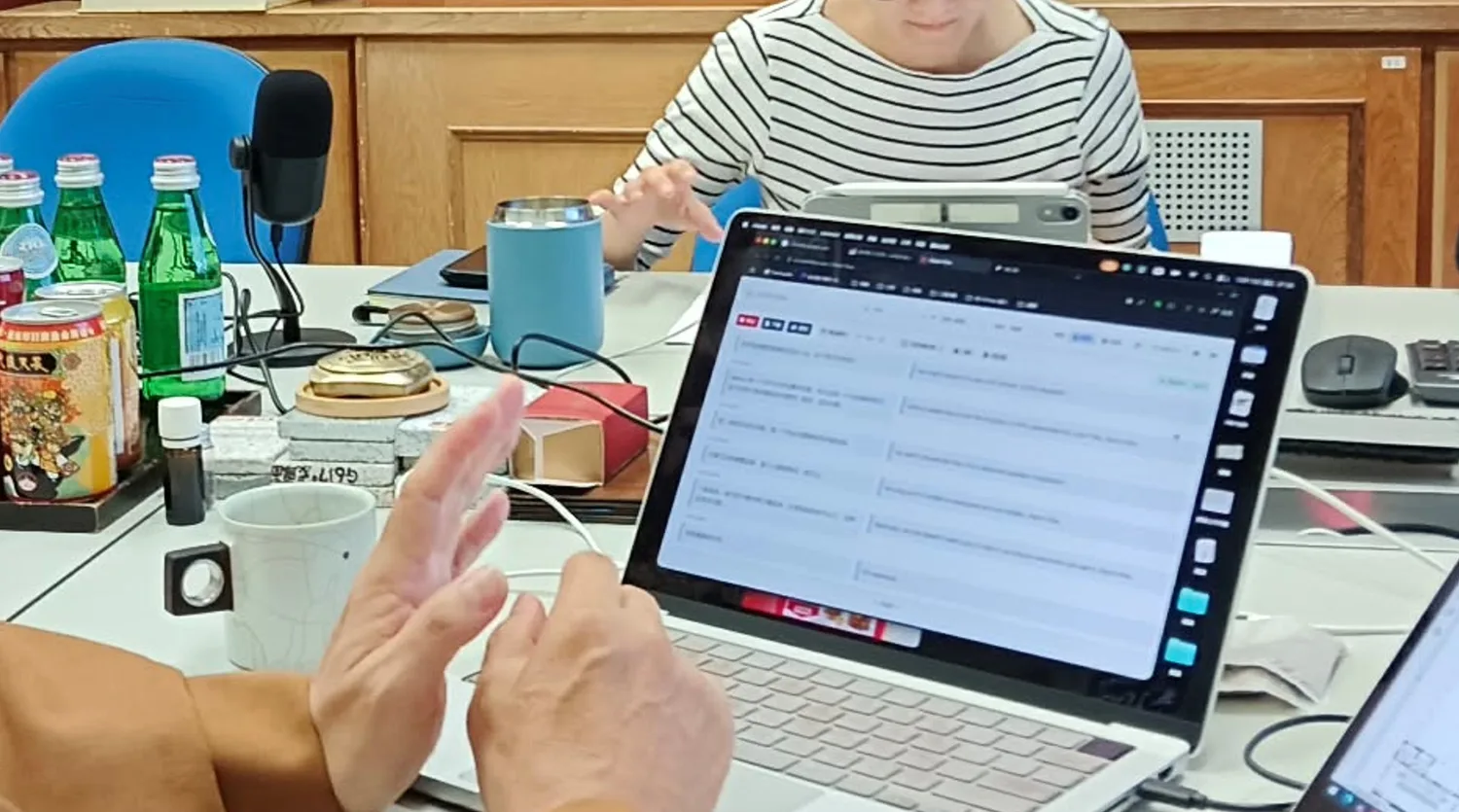
On a project delivered into Australia, an engineering and design team ran their reviews the same way. Detailed architectural drawings filled the main screen while each participant followed Orato Flow’s translation on their own laptop or tablet, and remote colleagues joined the same session by a link. The conversation moved through the technical detail at the pace of the work, instead of stalling while someone interpreted.
The outcome
Across both settings — an investor briefing and a technical design review — the sessions ran without interpreters, and everyone followed in real time. Investors read the New Zealand opportunity in Chinese as it was presented; engineering reviews kept their pace, with drawings and detail understood on both sides.
The meetings ran at full speed, with the time that used to disappear into interpreting spent on the work itself — and teams collaborated across New Zealand, Australia and China as if they shared a single language.
Run your event in every language.
Tell us what you’re planning — the languages, the format, in-person or hybrid — and we’ll show you exactly how it would run on Orato Flow.